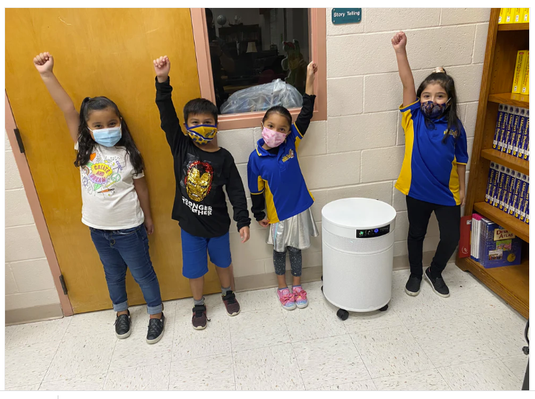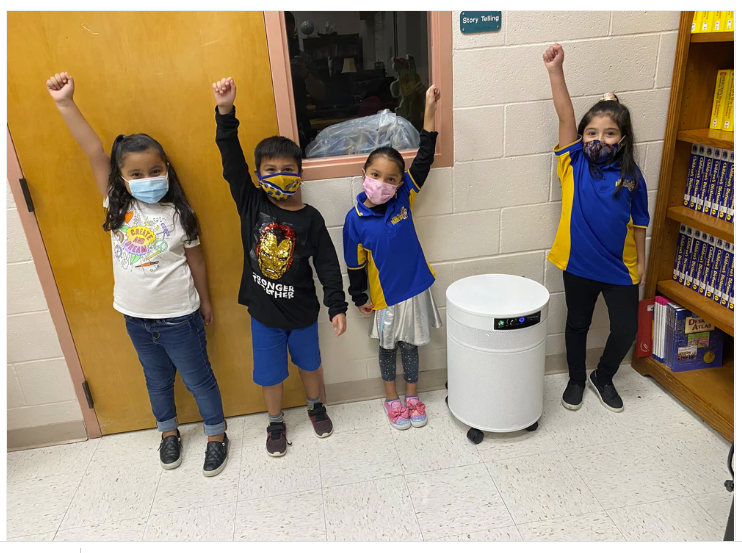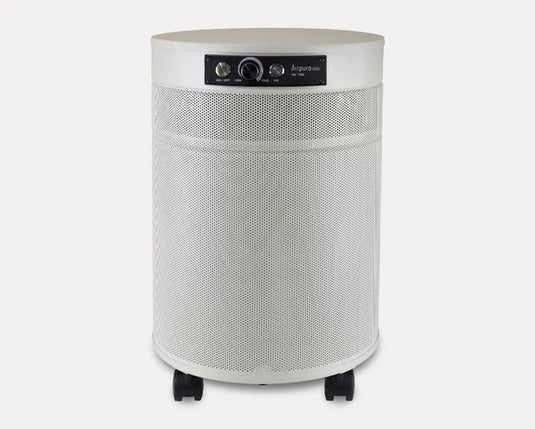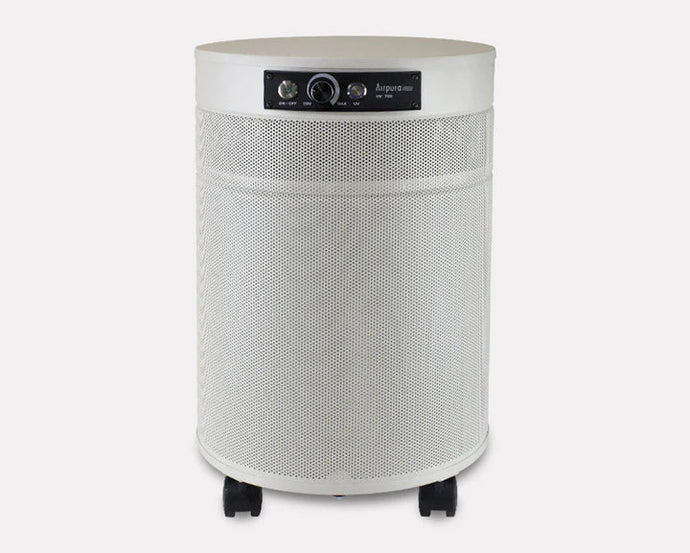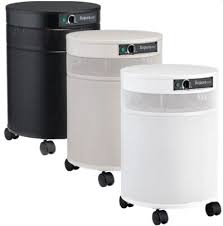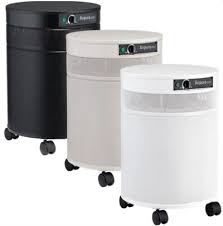
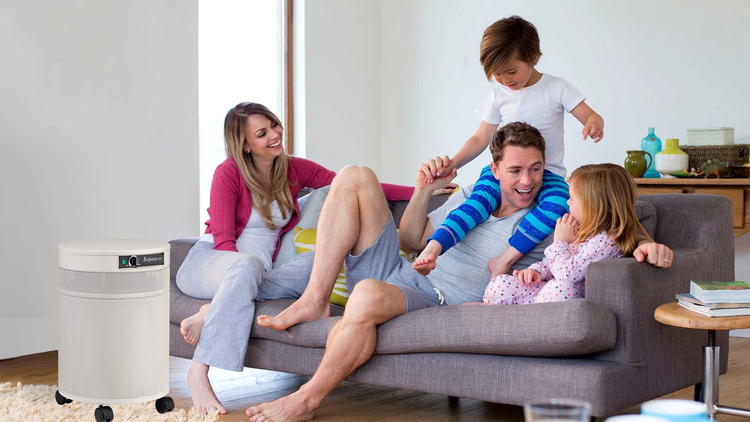
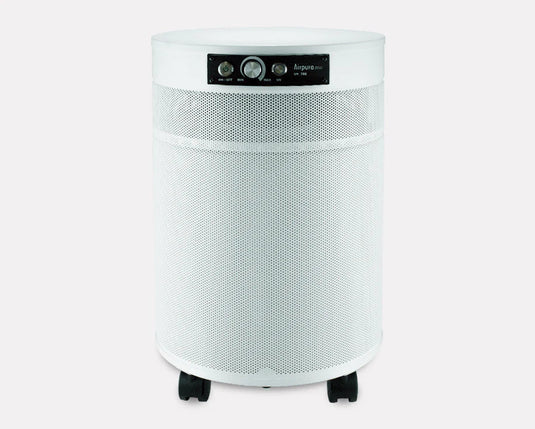
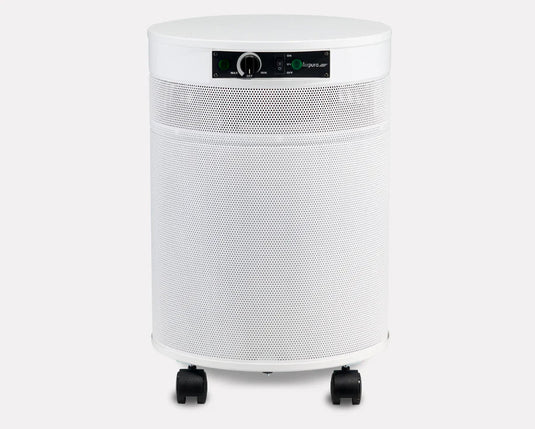
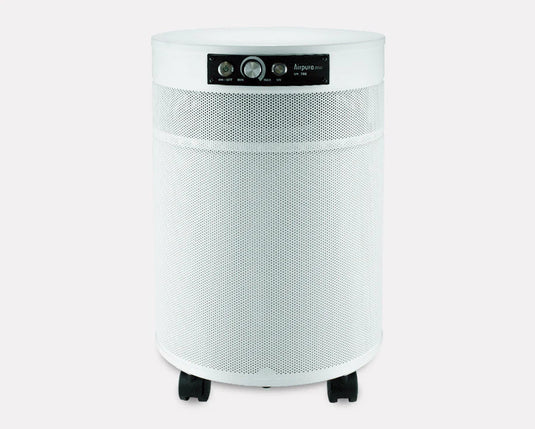
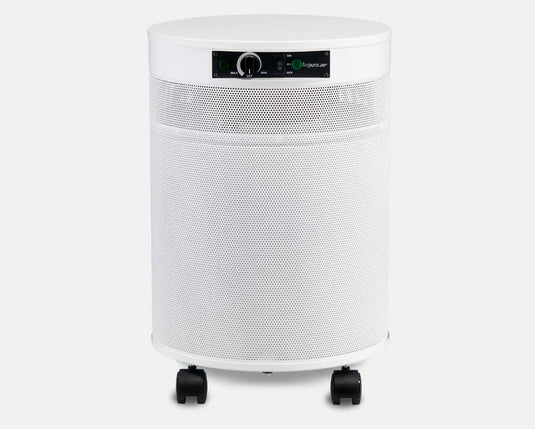
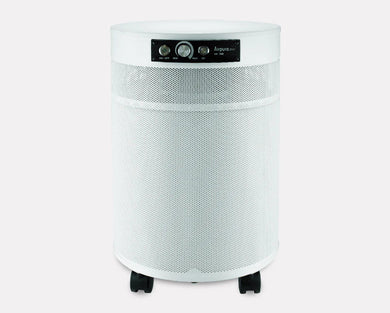
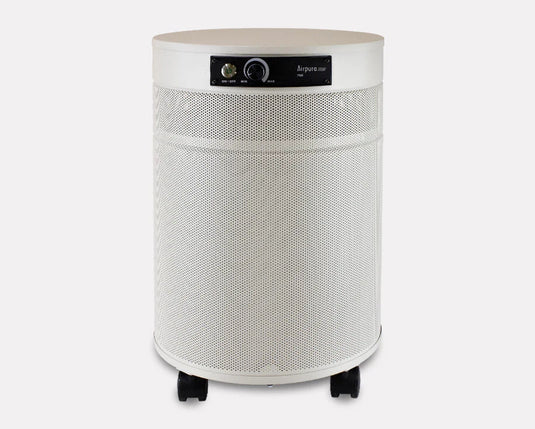
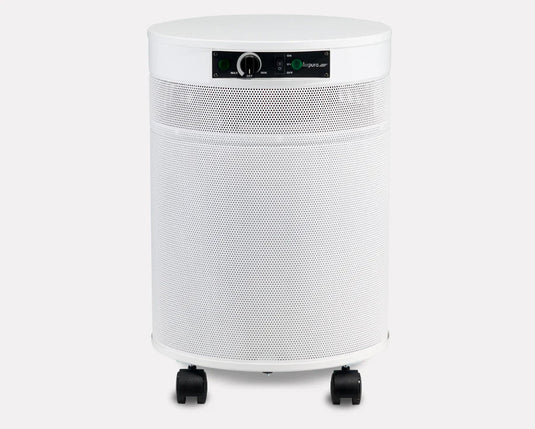
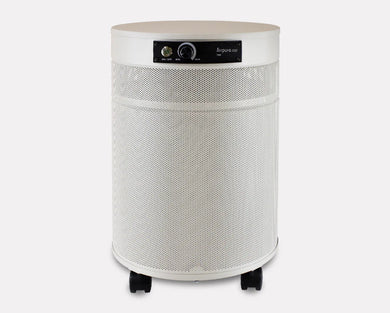
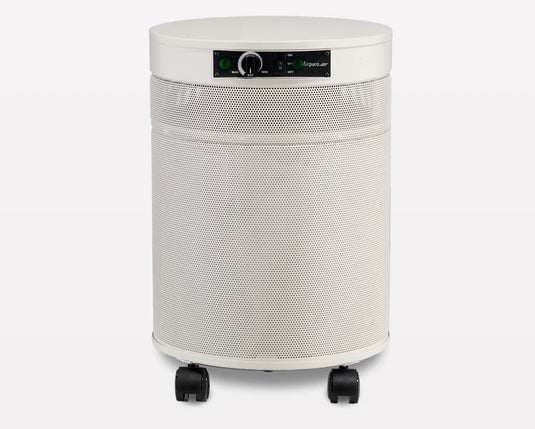
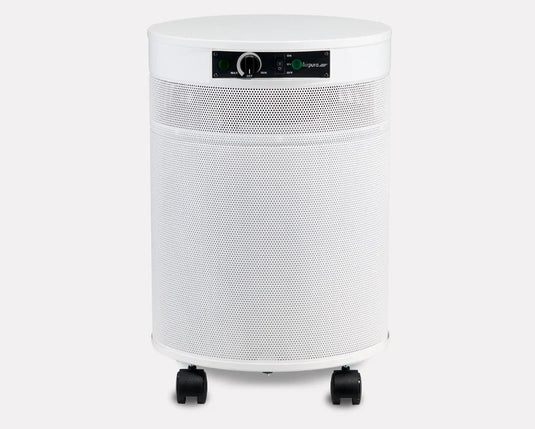
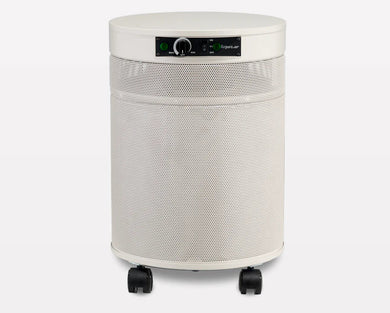
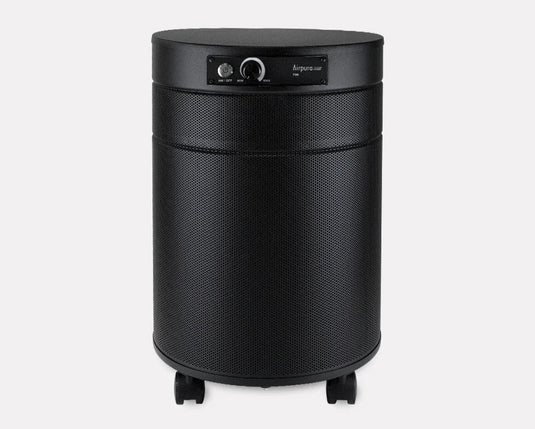
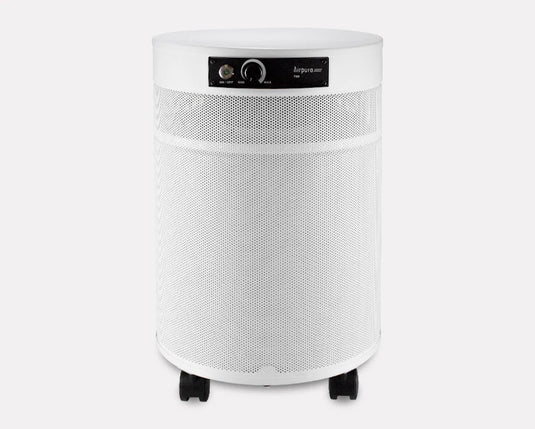
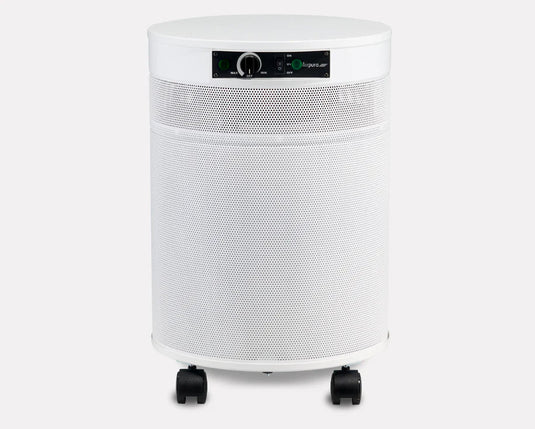
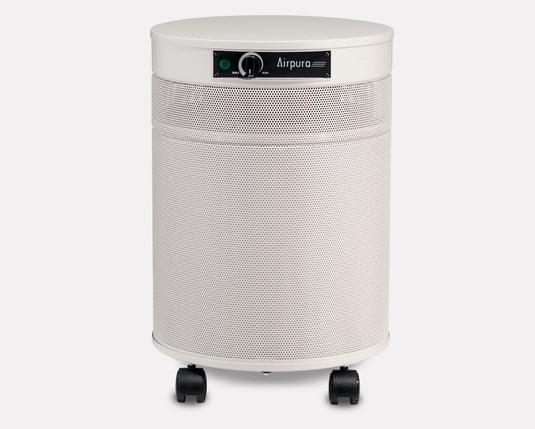
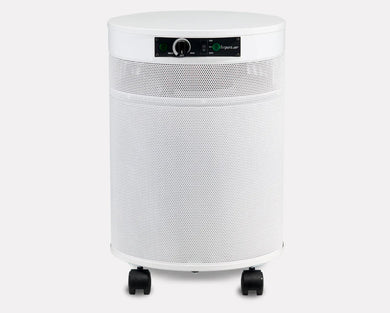
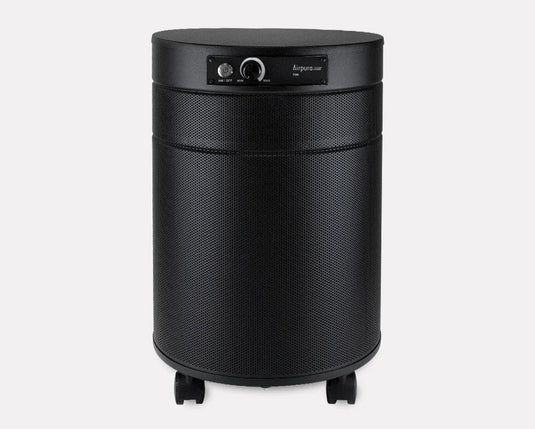
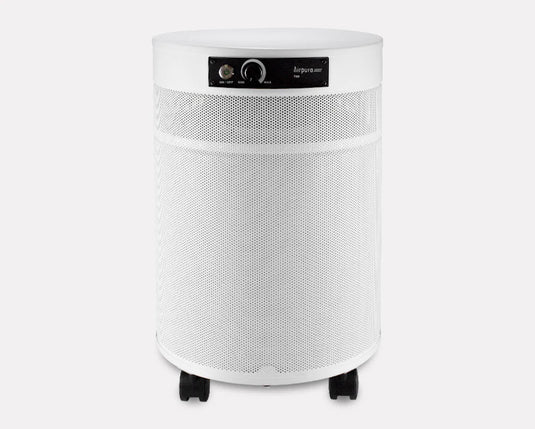
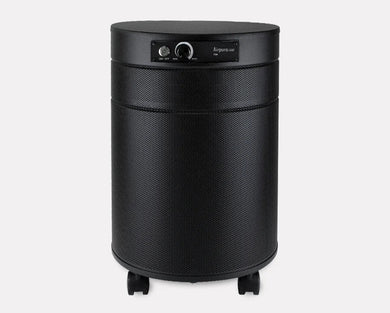
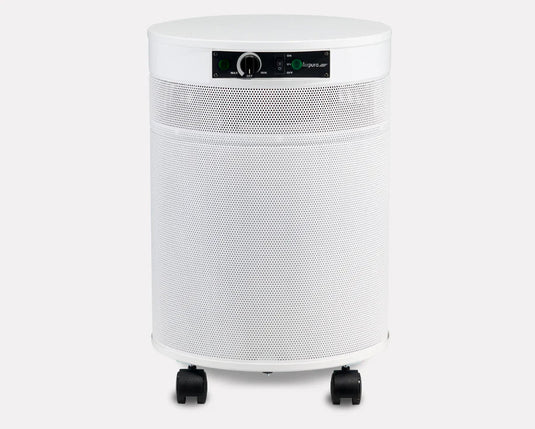
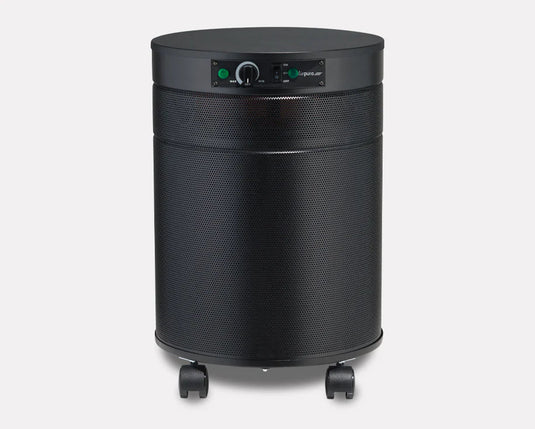
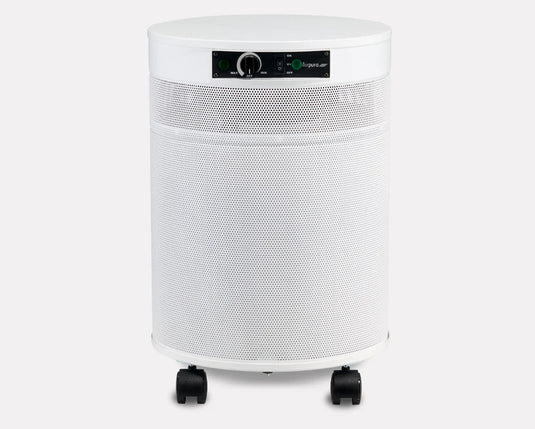
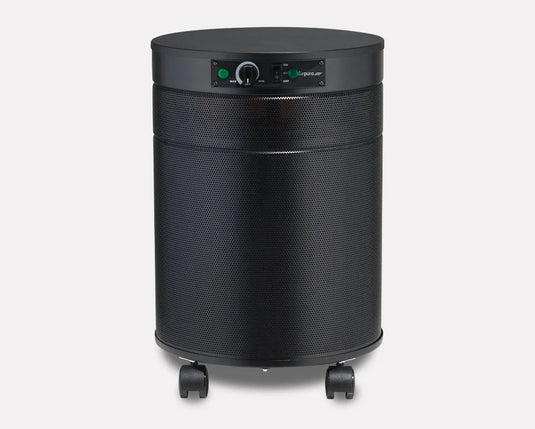
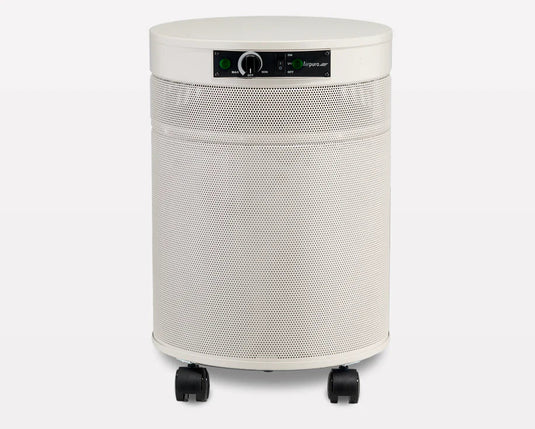
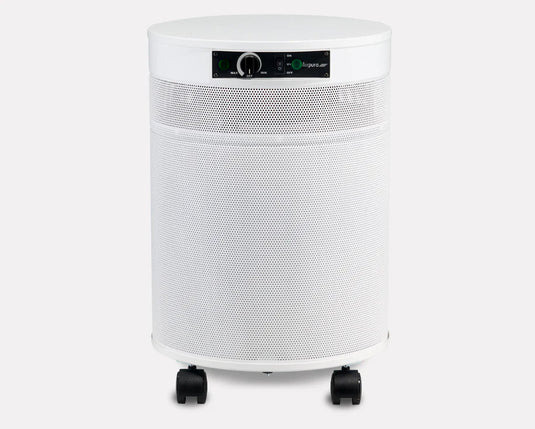
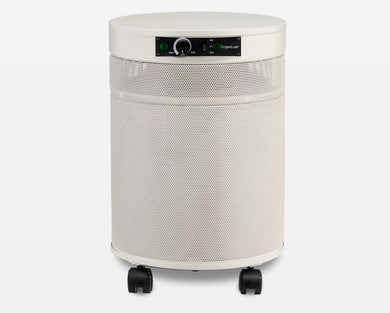
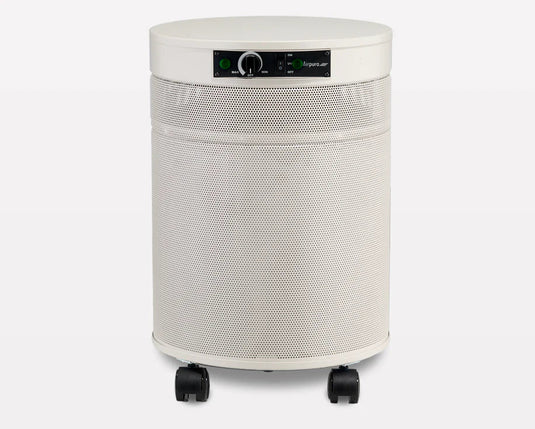
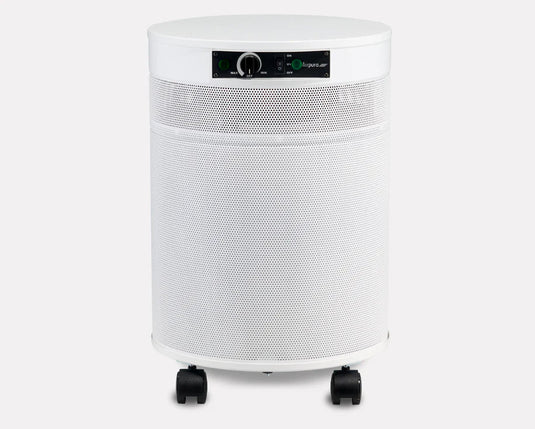
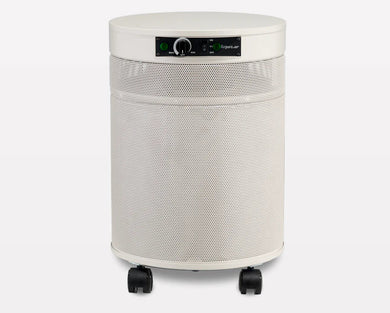
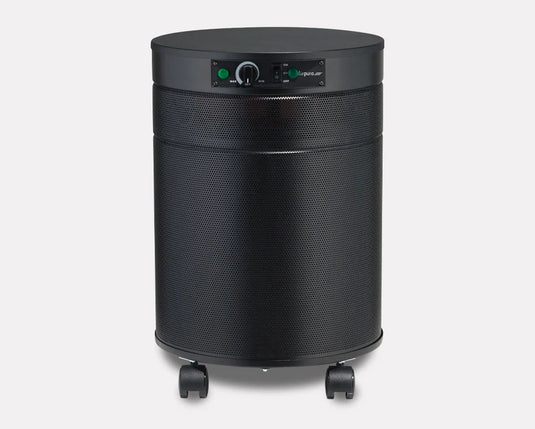
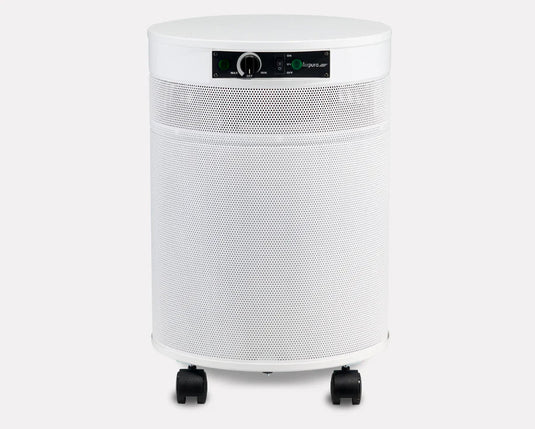
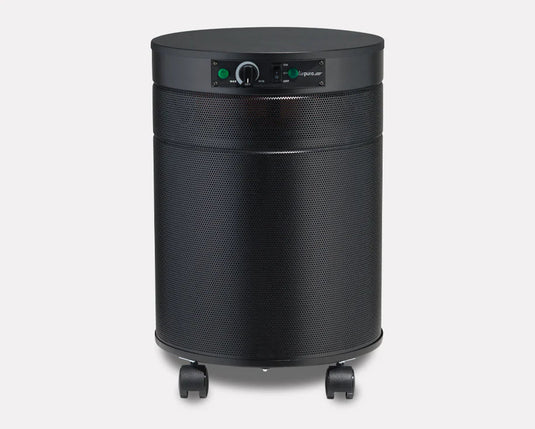
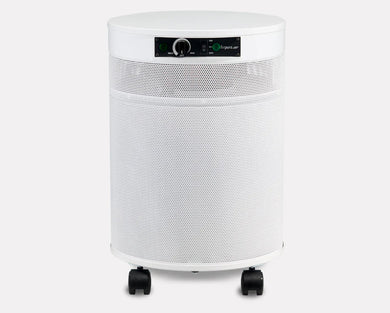
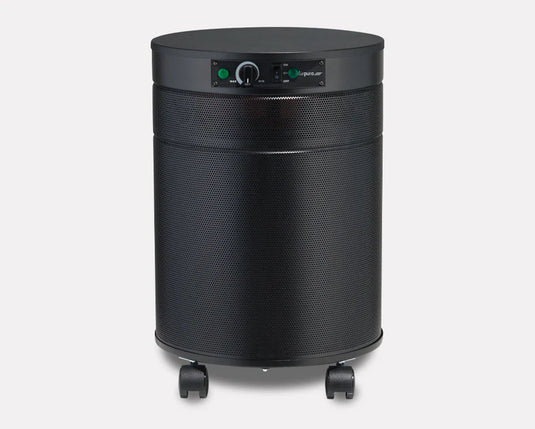
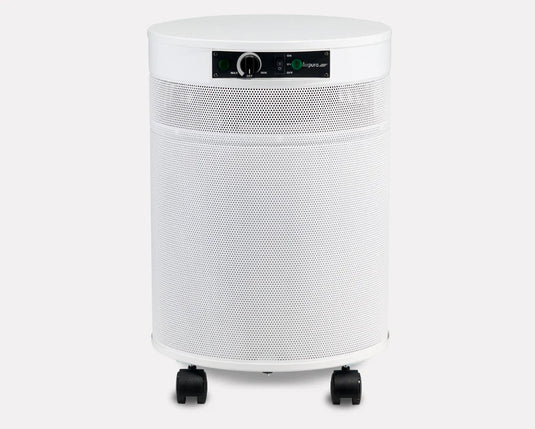
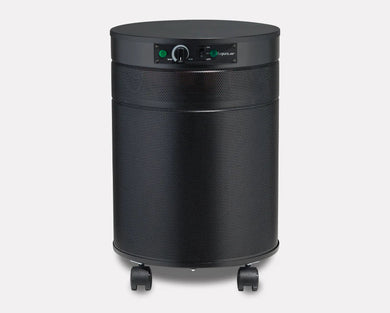
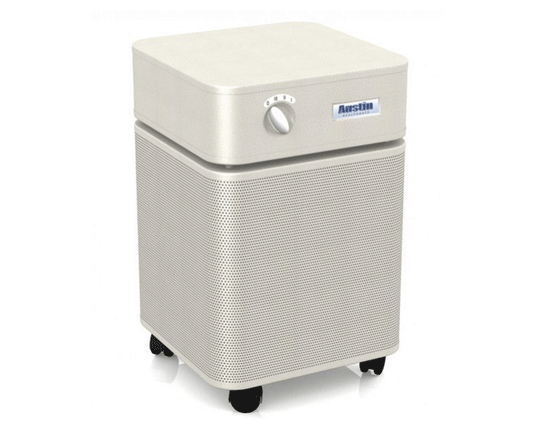
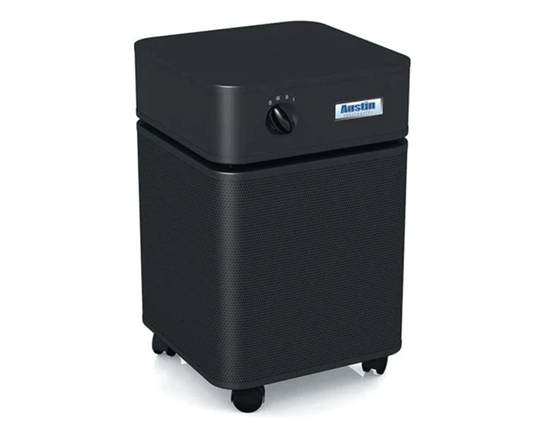
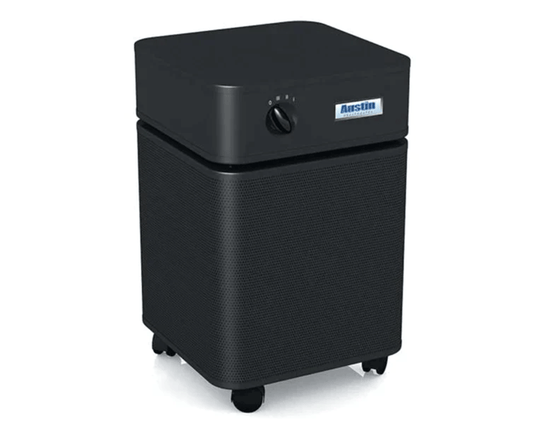
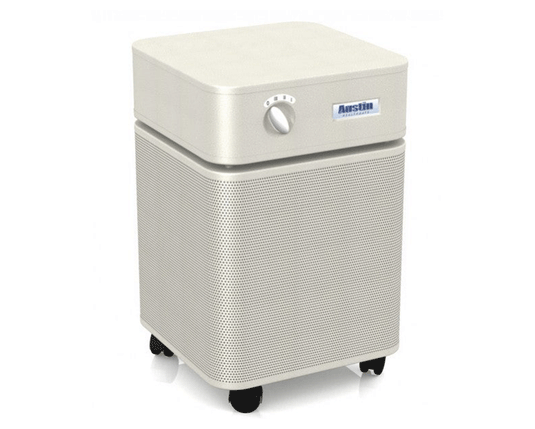
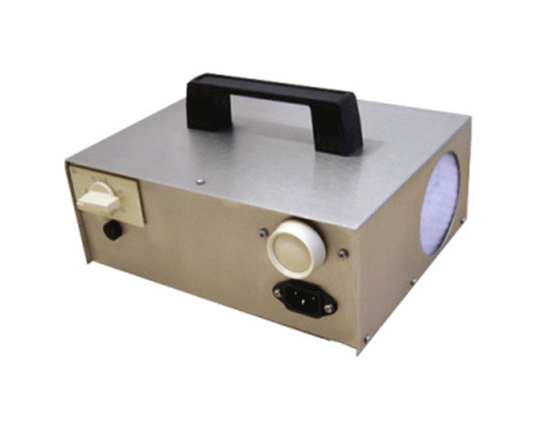
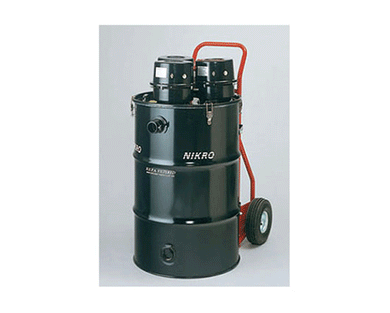
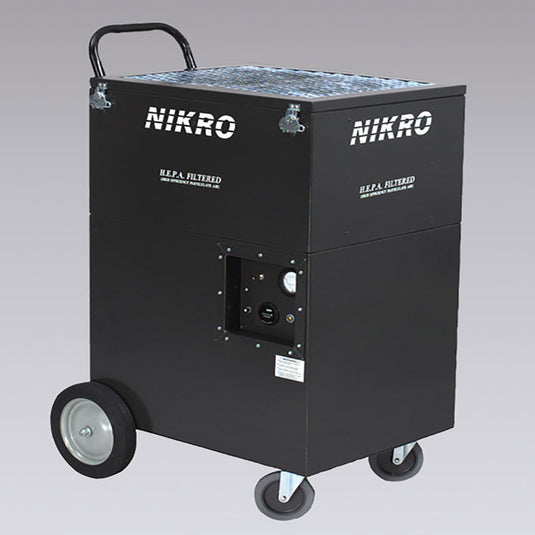
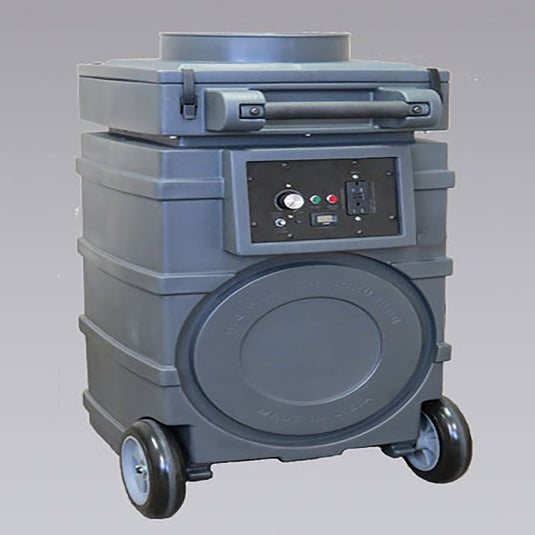
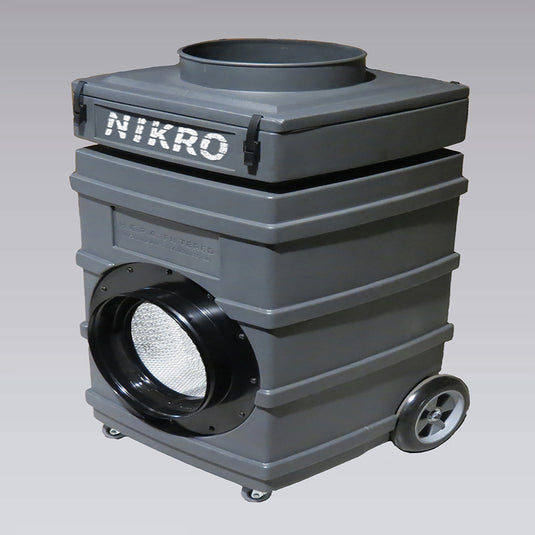
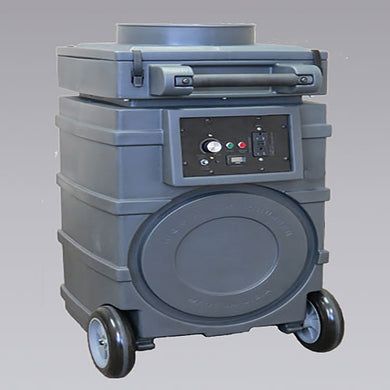
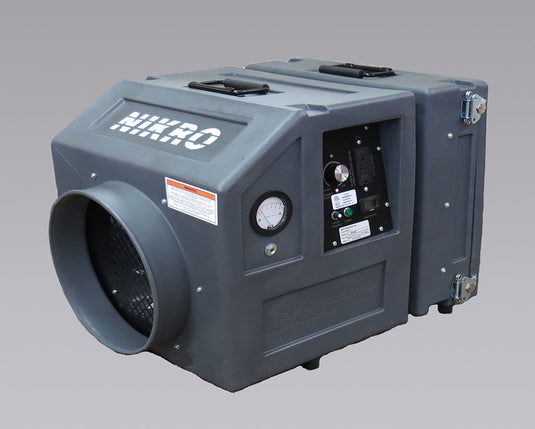
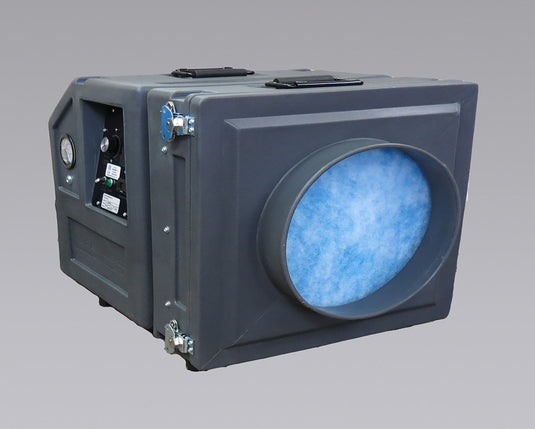
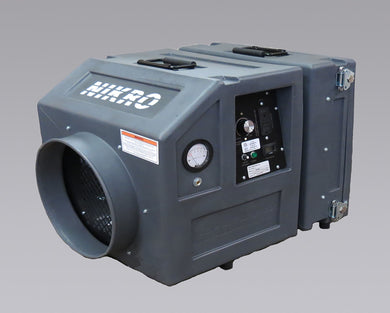


Air cleaners, or air purifiers, are designed to remove indoor pollutants and particulates. When these products first came out, they were mostly referred to as air cleaners but now the term “air purifiers” is more common. Your best bet is to purchase portable air cleaners, which are designed to clean one room at a time. Portable air cleaners are cost-effective and can significantly reduce indoor air pollution in your home.
Portable air cleaners are categorized based on their cleaning technology. The different cleaning technologies used are HEPA filtration, electrostatic precipitation, and negative ion generation. Some air cleaners may use a combination of these technologies. Others are designed solely for chemical removal. There are also air cleaners that have technology which removes bacteria, fungi, volatile organic compounds, odors, and gases. Read More »
The advantages of portable air cleaners include the fact that they are far less expensive than whole house systems. All you have to do is plug them in so there is need to pay expensive installation costs. You can also purchase and replace the filters of portable air cleaners easily without having to hire a contractor.
Portable air cleaners are compact yet powerful. They can clean spaces as large as 1500 square feet. You can allow them to run 24 hours a day without worrying about your electricity bill since they are efficient in power usage. Portable air cleaners also give you the widest possible coverage against indoor air pollutants. A top quality portable air cleaner that contains a pre-filter with activated carbon, HEPA filter and a UV light system will be able to eliminate gases, odors, household dust, mold spores, bacteria, viruses, and pet dander.
How to Determine What Kind and How Many Air Purifiers You Need
The type of air purifiers you need will depend on the type of contaminant that is causing you problems and the size of the room you want to use them in. There are a variety of air purifiers available to suit any need or room size.
Having air purifiers are very important for people who suffer from allergies, asthma, chemical sensitivity, and other respiratory illnesses. Some air purifiers are specifically designed to remove general allergens while others with specialized activated carbon blends will also remove out gassing chemicals called volatile organic compounds also known as VOC’s. All inclusive air purifiers with UV light systems have the ability to kill mold spores, bacteria and mold spores.
Air purifiers that include ultraviolet (UV) light systems have become increasingly popular because of their added ability to kill and control dangerous viruses, bacteria, and mold spores. . The best air purifiers with UV light systems on the market are made buy TRACS and AllerAir. Both are HEPA air purifiers. These powerful air purifiers can be found cleaning indoor air pollution in hospitals, government buildings, nursing homes, and educational institutions across the country.
Studies have shown time and time again that indoor air is far more polluted than the outdoor air. Indoor air pollution is caused by house dust mites, fungi spores, chemicals from cleaning products, carpeting, home furnishings, pets, and much more. Indoor air pollution is particularly unhealthy for babies, children, and the elderly. Because of indoor air pollution, there has been a dramatic rise in the onset of allergies, asthma and chronic illness in recent years.
Air purifiers help to reduce the symptoms of seasonal allergies and help you sleep better at night. It is more difficult to breathe at night because your respiratory system slows down. That’s why it is important to have an air purifier in your bedroom and in any room where you spend most of your time during the day. Although you can move air purifiers from room to room, doing so is counter-productive. When you move air purifiers from one room to another, it allows the air in the rooms of your home to keep getting dirty. Each room or open area in your home should have its own air purifier so you can keep the air there clean.
Why You Need an Air Cleaner
An air cleaner, or air purifier, reduces allergens in your home and is thus beneficial for asthma and allergy sufferers. In this day and age, most homes are airtight. Heating and cooling systems are used to keep homes and offices cool in the summer and warm in the winter, thus reducing your ability to breathe and enjoy the benefits of clean indoor air. People who suffer from dust allergies and asthma will notice their symptoms practically disappear once they set up an air cleaner in their home. Pets are also a common cause of allergy symptoms due to a reactive protein in their sweat, saliva, dander, urine, and fur. You can reduce allergies associated with pet allergens with a quality air cleaner.
Indoor air pollution can be up to five times higher than outdoor air pollution. Some of the allergens and pollutants that contribute to this problem include second-hand tobacco smoke, dust mite allergen, animal dander, pollen, mold, and mildew.
A day or two after installing an air cleaner, you will notice that your room is cleaner, it is easier to breathe, morning congestion is reduced, and allergy symptoms are lessened. The air in your home should feel less heavy.
You should really consider purchasing an air cleaner if you have children because children are particularly susceptible to illness. Simply making the air in your home cleaner will dramatically improve your child’s overall health.
Businesses can also benefit from having air cleaners. For example, businesses that work with animals such as pet stores and veterinary offices should have air cleaners in order to reduce pollutants created by animals. Day care centers and other businesses that work with children should also use an air cleaner in order to keep all of the children at their healthiest and happiest.
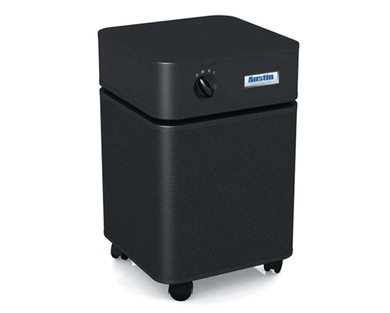
We have found that AllerAir and Austin Air Healthmate HM-400 HEPA air cleaners are a good choice. Both AllerAir and Austin Air Healthmate air cleaners are effective in filtering dust, dust mite allergen, pollen, and pet dander. They are also effective in removing out gassing chemicals and VOCs. Both brands are popular among allergy and asthma sufferers. The Austin Air Healthmate is our top selling all around air cleaner. It includes a five-year HEPA filter and is capable of cleaning rooms of up to 1500 square feet.
Features to Look For When Purchasing an Air Purifier
Every air purifier offers different features depending on its brand and model. Some important features to look for include HEPA filtration, electrical attraction, exchange rate per hour, and speed control.
HEPA Filtration
HEPA filters, or high efficiency particulate air filters, are proven filtration devices that are the benchmark for air filters. An air purifier with HEPA filtration is guaranteed to trap 99.97% of particles that are larger than 0.3 microns. Many of the particulates that are captured by HEPA filtration cannot be seen by the human eye because they are so small. HEPA filtration captures small particles like smoke, dust, chemicals, pollen, and asbestos. In order for an air purifier with HEPA filtration to be effective, its cleaning capacity must match the size of the room in which it is used.
Electric Attraction
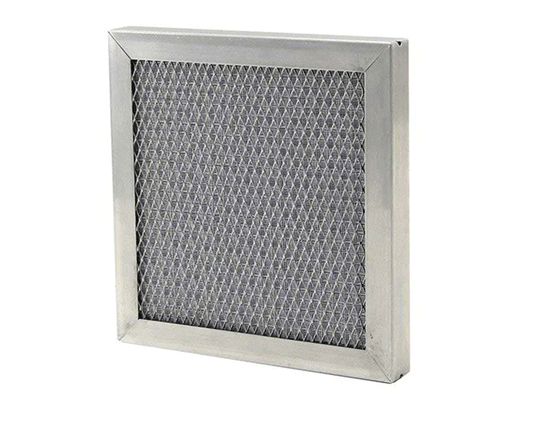
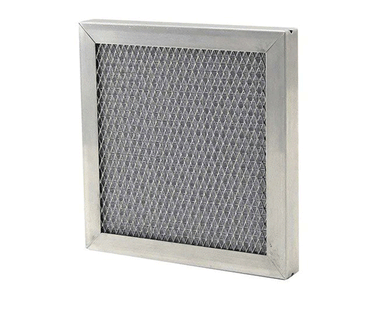
Electric attraction is another type of air purifier technology that consists of three types: electrostatic precipitation, self-charging electrostatic filters, and negative ion generators. An electrostatic precipitating air purifier is not as effective as a HEPA filtered air purifier because it captures less dust and particulates. However, electrostatic precipitators are effective in collecting cigar and cigarette smoke. Their filter cells are washable.
Self-charging electrostatic filters are approximately 90 percent efficient as an air purifier and the filter material is made of synthetic fibers that create an electrostatic charge to grab dust and allergens when airflow passes through them. They are washable and a good choice for filtration in furnace and air conditioning air returns, but they do not work nearly as well as HEPA filtration does in a room or portable air purifier.
A negative ion generator air purifier is very good for quickly dropping cigar and cigarette smoke from the air. However as an air purifier for dust and allergens, they are not very productive because they do not use filtration to remove dust and allergens from your indoor environment.
Other Factors to Consider
Other factors to consider when choosing a quality air purifier include the advantage of having a high air exchange rate per hour in an open area or room of any size. An air purifier that can clean an average sized bedroom 12 to 15 times per hour or clean the air in a family room 6 to 8 times per hour will do a great job of keeping your two main living spaces clean of dust and allergens. It’s also advantageous to choose an air purifier that has multiple speeds and that is quiet for sleep comfort.
How HEPA Air Cleaners Improve Air Quality in Your Home
HEPA air cleaners, or high efficiency particulate air cleaners, filter out 99.97% of all airborne contaminants including dust, smoke, pollen, and several other allergens. Typically, a replaceable pre-filter is used to trap larger particles. HEPA air cleaners can filter out particulates down to 0.3 micrometers in size, which are the most difficult types of particulates to filter. Particulates in this range include the pollutants that most commonly cause allergies, asthma, and chemical sensitivities.
How it Works
The inlet grills of HEPA air cleaners draw in dirty air. Typically a pre-filter is used to trap larger particles. Many HEPA air cleaners also include a carbon filter that captures odors, gases, and chemicals. The dirty air is purified and then sent back into the room as clean air. Originally, HEPA air cleaners were developed by the Atomic Energy Commission to capture radioactive dust particles.
The filtration component in HEPA air cleaners looks like an accordion of fine, paper-like filter material. The paper is loaded in a zigzag fashion and then air is pushed through it with a fan. The filters in HEPA air cleaners eventually become full and air can no longer move through the filter. When this happens, you have to dispose of the used filter and install a new one. Fortunately, the filters in HEPA air cleaners often last three to five years before they need to be replaced.
Why HEPA Air Cleaners?
The airborne particles in your home can lead to allergies, fatigue, and illness. When sufficient amounts of these particles accumulate in your body, you can become very ill. HEPA air cleaners cleanse the air in your home so you can breathe more easily, sleep better, and feel more energized. We recommend the AllerAir and Austin Air Healthmate HEPA air cleaners, which are our top-selling models for allergy and asthma sufferers.
The Types of HEPA Air Purifiers
HEPA air purifiers contain high efficiency particulate air filters that remove very small particles of allergens from indoor air. Quality HEPA air purifiers with activated carbon can greatly reduce the number of allergens and triggers that cause allergy and asthma problems due to poor indoor air quality. These triggers include dust, pollen, pet dander, dust mite allergen, cigar smoke, cigarette smoke, gases, and chemicals. HEPA air purifiers that include ultraviolet light systems (UV) can also kill and remove viruses, bacteria and mold spores from indoor environments. We have found TRACS and Allerair HEPA air purifiers with ultraviolet light (UV) systems to be far superior to other brands of HEPA air purifiers on the market.
There are two types of HEPA air purifiers. They include HEPA air purifiers that utilize true HEPA filters, which are capable of removing 99.97 percent of particles that are 0.3 microns in size or larger and HEPA air purifiers that utilize lesser quality HEPA type air filters, which do not filter out allergens and particles as effectively. HEPA air purifiers with HEPA type air filters may have an efficiency of 55 percent or less in removing allergens with particles of 0.3 microns or larger. Always stick with HEPA air purifiers that utilize true HEPA filters.
Check the efficiency and spec rating when shopping for HEPA air purifiers for your family or office. Quality portable room HEPA air purifiers are best placed in your main living spaces, which include the bedroom(s) and the family room. HEPA air purifiers with true HEPA filtration are well worth the investment to keep your breathing space clean, comfortable, and allergy free.
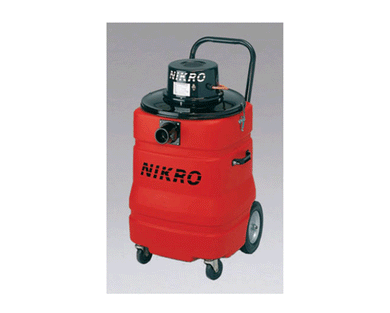
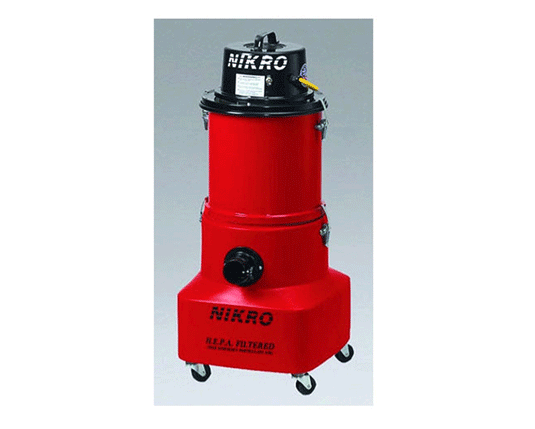
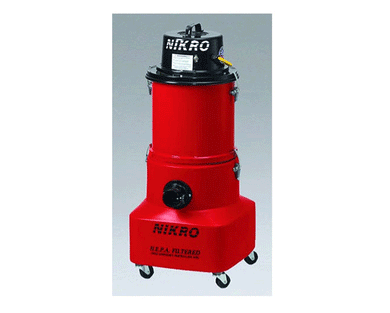
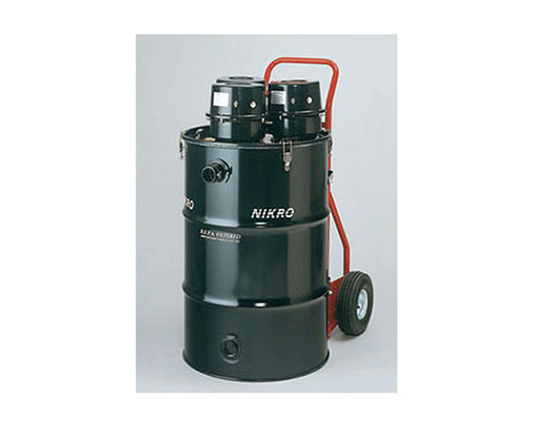
Contrary to popular belief, HEPA is not a brand name! HEPA is a high efficiently TYPE of filter technology that is utilized in many different brands of HEPA air purifiers as well as brands of HEPA vacuum cleaners. Selecting quality HEPA vacuum cleaners with sealed cases is very important in order to keep your home or offices space dust and allergy free. Also commercial and industrial HEPA vacuum cleaners are used for lead, asbestos and mold abatement.
What to Look for When Purchasing HEPA Vacuum Cleaners
HEPA vacuum cleaners trap a large amount of very small particles that regular vacuum cleaners would allow to leak and circulate back into the air. There are two different types of filters used in HEPA vacuum cleaners and they are true HEPA filters and HEPA type filters.
Types
True HEPA filters must pass a test in order to have a certification assigned to them. True HEPA filters must be able to trap at least 99.97 percent of particles of 0.3 microns or larger. HEPA type filters do not have to meet the same standards as true HEPA filters. They capture only 55 to 90 percent of particles and the percentage is even lower for particles of 1 micron or less. There are no advantages to purchasing HEPA vacuum cleaners with HEPA type filters or other types of inefficient filters other than the fact that they are less expensive than vacuum cleaners with true HEPA filters, which are far superior.
If you are looking for HEPA vacuum cleaners with true HEPA filters, find the specifications and test results online before you make a purchase. You should double-check the test results of HEPA vacuum cleaners with particles of 0.3 microns to ensure that they contain true HEPA filters.
Styles
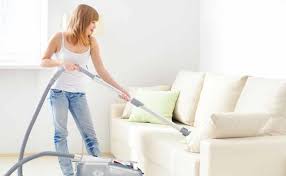
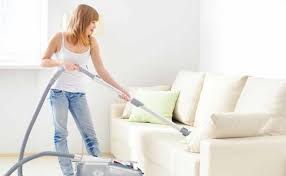
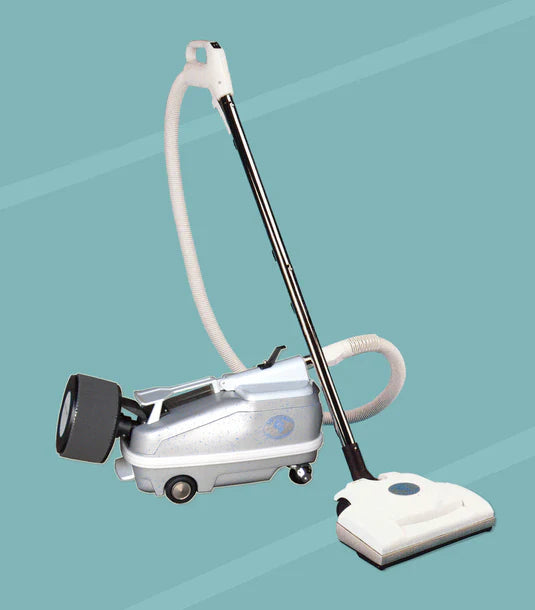
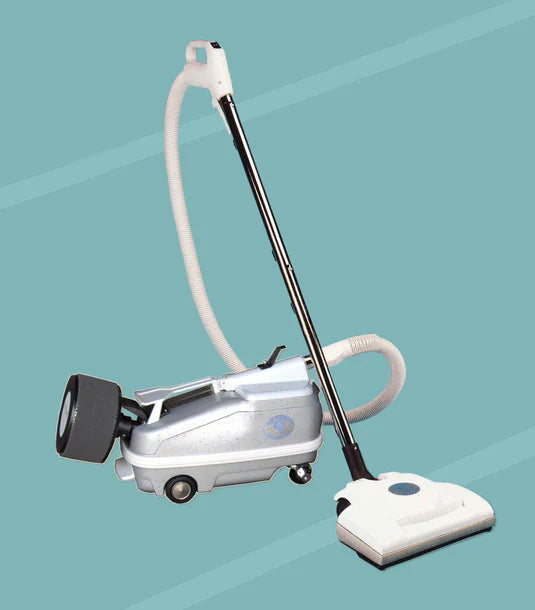
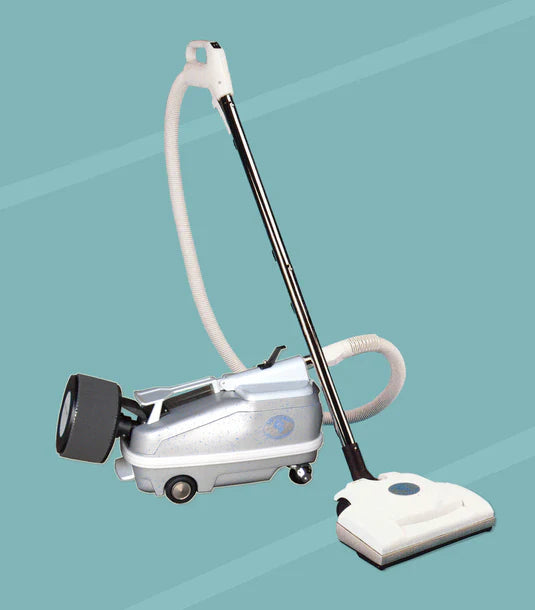
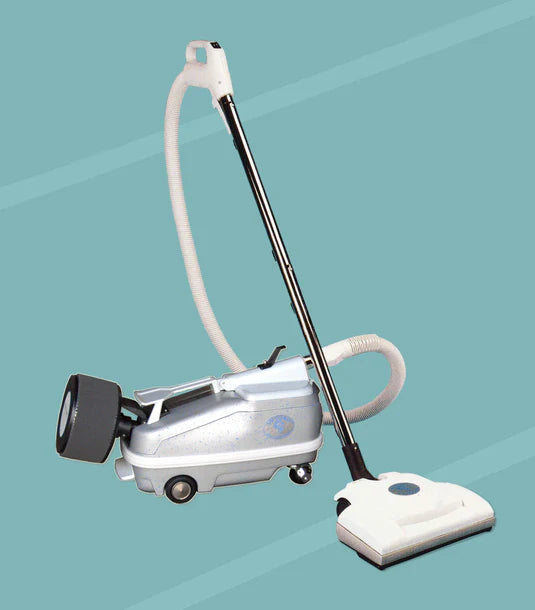
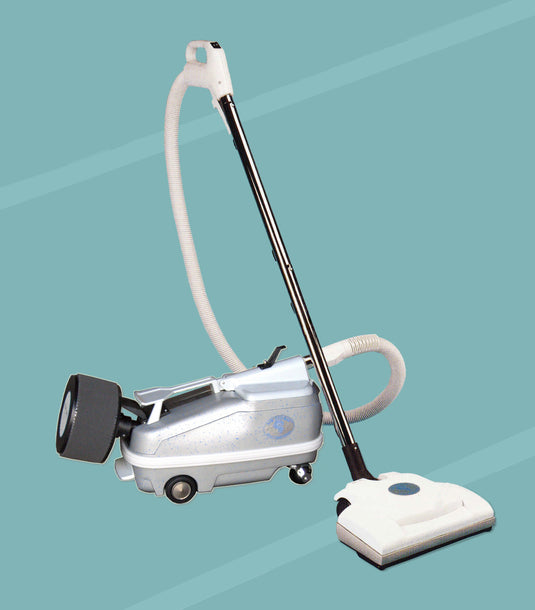
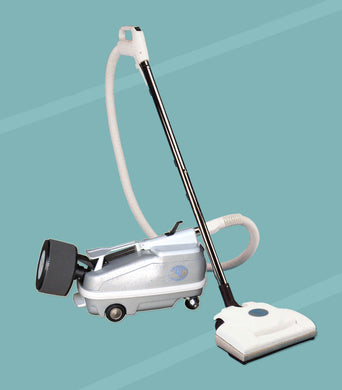
HEPA vacuum cleaners come in upright and canister styles. Upright HEPA vacuum cleaners are of lesser quality. The downside of using upright HEPA vacuum cleaners is that they are poorly sealed, lower power and tend to leak dusty air back into the environment. Canister-style HEPA vacuum cleaners are a better choice because they often have more powerful motors and are compact. Be aware that the quality of canister vacuums can vary. It is very important to choose only canister HEPA vacuum cleaners that have a 100 percent sealed case so dust and allergens do not blow back into your indoor environment while you vacuum. We have found that the Air Storm HEPA vacuum cleaners (made in the USA) outperform all others.
Benefits
True HEPA filters are the highest efficiency filters available for the filtration of small dust particles and allergens. HEPA vacuum cleaners are highly recommended for allergy and asthma sufferers because they eliminate triggers such as dust, dead human skin, dust mite allergen, pollen, pet dander, bacteria, and mold spores.
Allergy Products that Allergy Sufferers Can’t Live Without
Allergy products abound but few of them have a real effect when it comes to relieving the symptoms of allergy and eliminating allergy triggers. Allergy products that you can truly count on to clean the air you breathe are HEPA air cleaners, HEPA air purifiers and HEPA vacuum cleaners.
What is HEPA?
HEPA filters, or high efficiency particulate air filters, were invented to filter out radioactive dust particulates in bomb shelters when atomic bomb tests were conducted. Today, HEPA filters are used in allergy products like HEPA air cleaners, HEPA air purifiers, and HEPA vacuum cleaners in order to remove allergy-causing contaminants like dust, dander, pollen, dust mite allergen, bacteria, and mold spores from indoor air.
Products with true HEPA filters are more effective than any other allergy products on the market for filtering out small particles of allergens from the air. Allergy products that contain HEPA filters remove 99.97 percent of air particles that are 0.3 microns or larger. The most common HEPA allergy products in homes are portable air cleaners and air purifiers that utilize HEPA air filters. Whole house filtration systems are available but their cleaning ability is actually very limited and they are quite expensive. Portable HEPA air purifiers and HEPA air cleaners are far superior because they have the capacity to clean the air of a room based on a high rate of air exchange per hour.
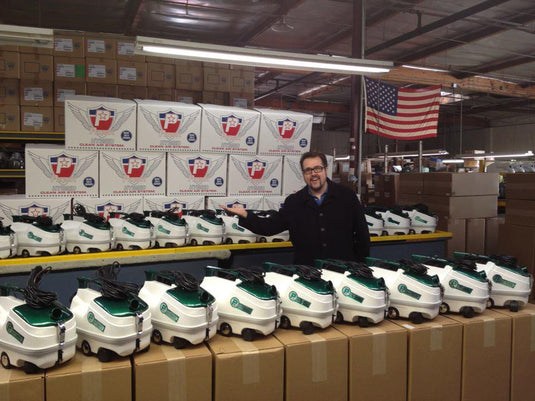
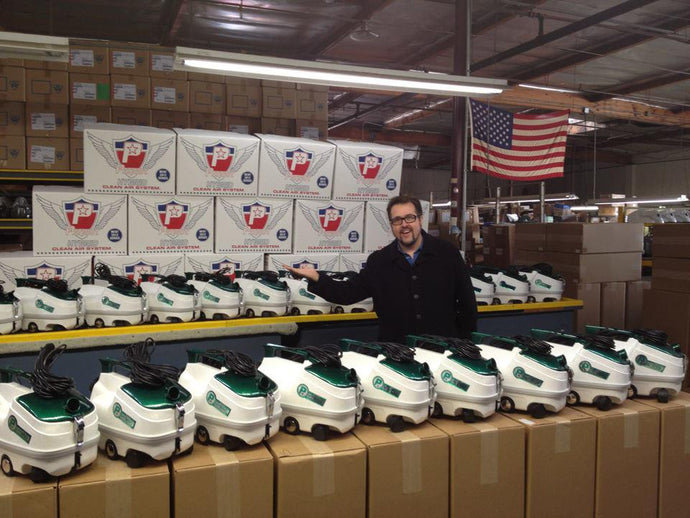
Specialized 100 percent sealed vacuum cleaners using HEPA filters are becoming increasingly popular as allergy products because they remove pet dander, dust mites, and other types of allergens without circulating them back into the air of your home or office. We feel that the 100 percent sealed Air Storm HEPA vacuum cleaner is the best on the market.
When airborne dust and allergens are breathed in, they trigger asthma and allergies. It is very important to research and purchase the proper allergy products to reduce the allergen load in your indoor environment. The more steps you take to purify the air you breathe, the better your indoor air quality will be. The most important steps you must take begin with upgrading your dust and bacteria-spewing vacuum cleaner to a quality sealed HEPA vacuum cleaner. Your new HEPA vacuum cleaner will complement the quality HEPA air cleaners or air purifiers that will be placed in your main living spaces.
How to Control Your Asthma with Asthma Products
With asthma products, asthma sufferers can greatly reduce the triggers that lead them to develop asthma attacks. There are many asthma products out there that claim to benefit people with asthma but it’s important to rely on more than just the manufacturer’s claims and look for objective evaluations. You can take a look at efficiency specs, ratings, and customer testimonials.
Some important asthma products on the market include vacuum cleaners, air purifiers, dust mite proof bedding including mattress encasings, and 90 percent efficient electrostatic air filters for your air conditioning system or furnace. However, you must find asthma products that target the specific triggers that cause your asthma to flare up.
Each asthma sufferer has unique triggers. Some asthma products, such as air purifiers and vacuum cleaners, target several different asthma triggers. Common asthma triggers in households include cockroach feces, dust mites, mold, pet dander, pollen, and volatile organic compounds (VOC’s) released from chemicals that include paints, carpeting, and household furnishings.
First, identify the triggers that cause your asthma attacks. You may need to get allergy tests done to determine what your triggers are because many people suffer from allergy-induced asthma. You can minimize the places where allergens accumulate by keeping your house clean and replacing carpeting with hardwood or tile floors.
In order to control airborne particulates, use asthma products like allergen free vacuum cleaners and air purifiers. HEPA vacuum cleaners, air cleaners, and air purifiers are highly effective in filtering out small particles of allergens so they are very beneficial to people who suffer from asthma. HEPA filters filter everything from dust mites to pet dander that is airborne in your home. When you start using these asthma products, in just a few days you will have the sense that it is much easier to breathe inside of your home.
Tips for Purchasing Vacuum Cleaners
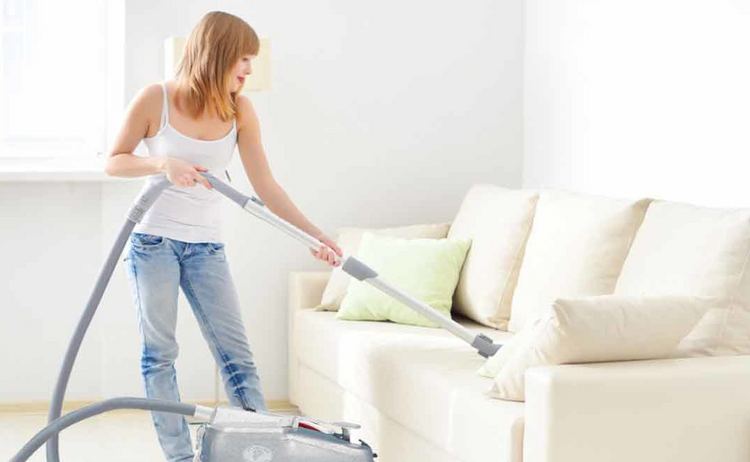
Purchasing vacuum cleaners for your home can be a daunting task, particularly if you suffer from allergies or asthma. Sealed vacuum cleaners that contain HEPA filters are superior to regular vacuum cleaners because they trap a large amount of dust and allergens and prevent them from circulating back into the air you breathe. Regular vacuum cleaners without HEPA filtration often circulate, dust, dust mites, pollen and other common allergens back into the air in your home. When you inhale these allergens, it can trigger allergies and asthma attacks. By using sealed HEPA vacuum cleaners, you can prevent this from happening and maintain cleaner air in your home.
Considerations
When looking into purchasing vacuum cleaners with HEPA filters for your home, you should first investigate the quality and specifications of the vacuum cleaners. If you have allergies or asthma look for vacuum cleaners that are one hundred percent sealed with HEPA filtration. Most vacuum cleaners restrict air to the motor when they fill with dirt. This causes a loss of suction and cleaning ability. Search for vacuum cleaners that are designed to never lose suction. A good canister unit to check out is the Air Storm HEPA vacuum cleaner.
If you have a considerable amount of carpeting in your home, look for vacuum cleaners with good suction and a high quality power nozzle. Allergens tend to accumulate in carpeting. Canister vacuums are ideal for homes with both carpeting and wooden floors because they can go from one surface to the other.
Upright Vacuum Cleaners vs. Canister Vacuum Cleaners
The only real advantage for upright vacuum cleaners is that they are sometimes easier to store than canister vacuum cleaners and they may cost a bit less money than canister vacuum cleaners. However, upright vacuum cleaners tend to be quite bulky and heavy and they leak a good amount of dusty air back into your indoor environment while you vacuum.
Canister vacuum cleaners allow for better filtration and transition between carpeting and hard floors. They are also much lighter and easier to push around. Furthermore, canister vacuum cleaners feature onboard tools that are useful for cleaning upholstery and other types of surfaces.